Aluminium sheets are one of the most versatile and widely used materials in various industries today. From construction to automotive manufacturing, their lightweight, durability, and corrosion resistance make them a top choice for countless applications. In this guide, we’ll dive deep into What Aluminium Sheets are, explore the Different Types & Grades, and discuss their common uses. Whether you’re a professional or a DIY enthusiast, this guide will help you understand why Aluminium Sheets are so popular and how to choose the right one for your needs.
What is an Aluminium Sheet?
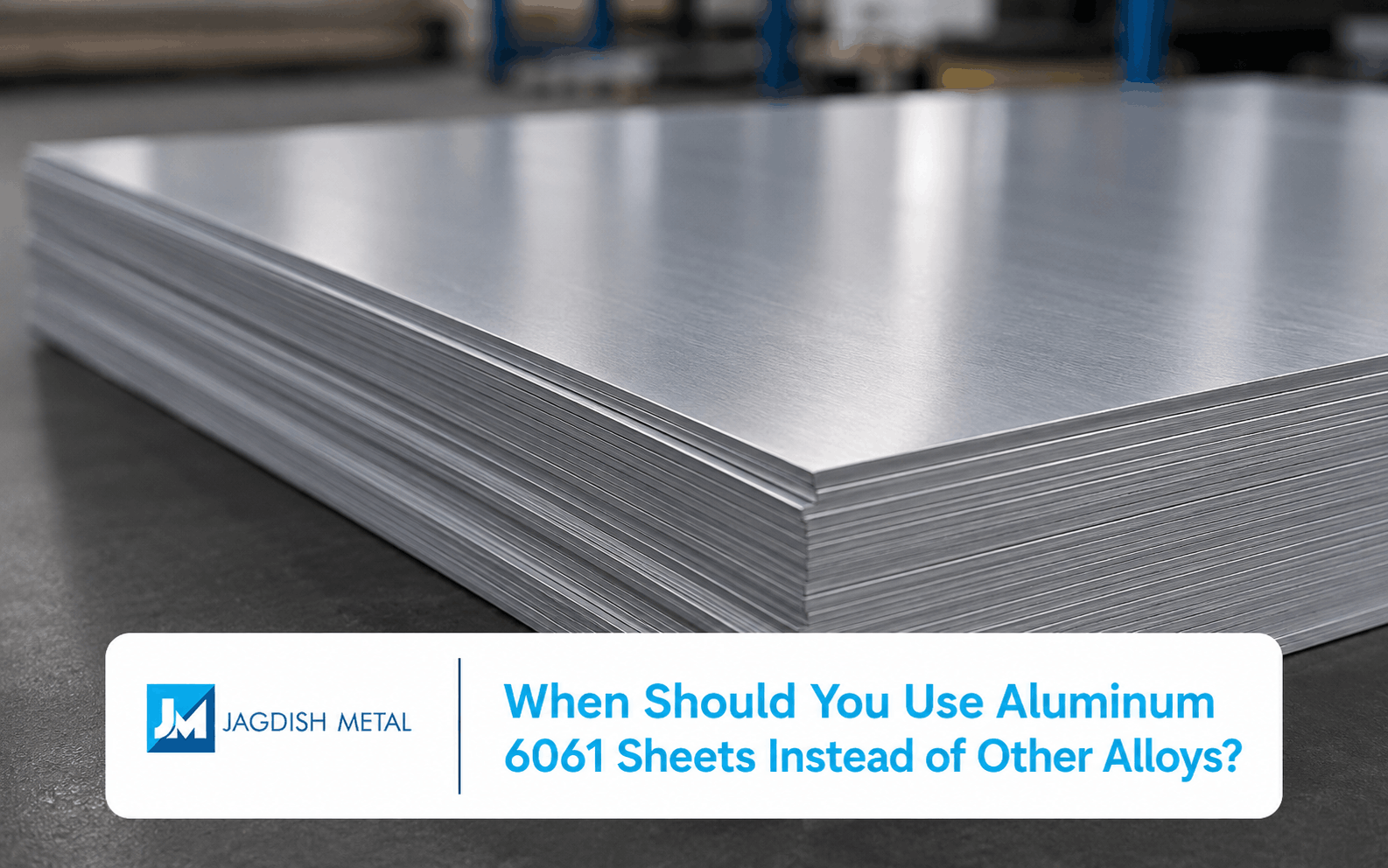
An Aluminium Sheet is a flat, rectangular piece of aluminium that comes in various thicknesses, sizes, and finishes. It is made by rolling aluminium ingots through a series of rollers to achieve the desired thickness. Aluminium sheets are known for their lightweight nature, high strength-to-weight ratio, and excellent corrosion resistance, making them ideal for both industrial and everyday applications.
Key Properties of Aluminium Sheets:
- Lightweight: Aluminium is about one-third the weight of steel, making it easier to handle and transport.
- Durability: Despite being lightweight, aluminium sheets are incredibly strong and durable.
- Corrosion Resistance: Aluminium naturally forms a protective oxide layer, which prevents rust and corrosion.
- Malleability: Aluminium sheets can be easily cut, bent, and shaped without losing their structural integrity.
- Recyclability: Aluminium is 100% recyclable, making it an eco-friendly material choice.
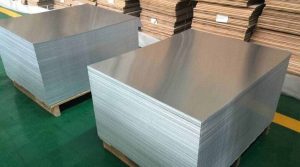
Types of Aluminium Sheets
Aluminium Sheets come in various types, each designed for specific applications. Here are the most common types you’ll encounter:
1. Plain Aluminium Sheets
Plain aluminium sheets are the most basic type, often used in general-purpose applications. They are available in different thicknesses and sizes, making them suitable for everything from DIY projects to industrial uses.
Common Uses:
- Signage
- Decorative panels
- DIY crafts
2. Perforated Aluminium Sheets
Perforated Al Sheets feature a series of holes or patterns punched into the surface. These sheets are ideal for applications requiring ventilation, filtration, or aesthetic appeal.
Common Uses:
- HVAC systems
- Speaker grills
- Decorative screens
3. Corrugated Aluminium Sheets
Corrugated Aluminium Sheets have a wavy pattern that adds strength and rigidity. They are commonly used in roofing and siding due to their durability and weather resistance.
Common Uses:
- Roofing
- Wall cladding
- Sheds and garages
4. Diamond Plate Aluminium Sheets
Diamond plate Aluminium Sheets have a raised diamond pattern on the surface, providing extra grip and durability. They are often used in high-traffic areas or where slip resistance is required.
Common Uses:
- Industrial flooring
- Truck beds
- Stair treads
5. Anodized Aluminium Sheets
Anodized Al Sheets undergo an electrochemical process that enhances their corrosion resistance and surface hardness. They are also available in a variety of colors, making them popular for decorative purposes.
Common Uses:
- Architectural facades
- Consumer electronics
- Automotive trim
6. Painted Aluminium Sheets
Painted Aluminium Sheets are coated with a layer of paint for added protection and aesthetic appeal. They are available in a wide range of colors and finishes.
Common Uses:
- Building exteriors
- Interior design
- Automotive parts
Grades of Al Sheets
Aluminium Sheets are available in different grades, each with unique properties tailored to specific applications. Here are some of the most common grades:
Grade 1100
- Properties: High corrosion resistance, excellent workability, and thermal conductivity.
- Uses: Chemical equipment, food processing, and decorative trim.
Grade 3003
- Properties: Good strength, formability, and corrosion resistance.
- Uses: HVAC systems, fuel tanks, and general fabrication.
Grade 5052
- Properties: High fatigue strength, excellent weldability, and marine-grade corrosion resistance.
- Uses: Marine applications, automotive parts, and electronic chassis.
Grade 6061
- Properties: High strength, excellent machinability, and good corrosion resistance.
- Uses: Structural components, aerospace parts, and heavy-duty structures.
Grade 7075
- Properties: Extremely high strength, used in high-stress applications.
- Uses: Aerospace components, military equipment, and high-performance machinery.
Common Uses of Aluminium Sheets
Aluminium sheets are incredibly versatile and are used in a wide range of industries. Here are some of the most common applications:
1. Construction and Architecture
Al Sheets are widely used in construction for roofing, cladding, and structural components. Their lightweight nature and durability make them ideal for both residential and commercial projects.
2. Automotive Industry
In the automotive industry, aluminium sheets are used to manufacture body panels, engine components, and trim. Their lightweight properties help improve fuel efficiency.
3. Aerospace Industry
The aerospace industry relies on high-strength aluminium sheets for aircraft frames, wings, and other critical components.
4. Packaging
Aluminium Sheets are used to create packaging materials like cans, foils, and containers due to their non-toxic and corrosion-resistant properties.
5. Electronics
In the electronics industry, aluminium sheets are used for heat sinks, enclosures, and other components that require thermal conductivity and durability.
6. Marine Applications
Marine-grade Al Sheets are used in boat building, docks, and other marine structures due to their excellent corrosion resistance in saltwater environments.
Conclusion
Aluminium Sheets are a cornerstone of modern manufacturing and construction, offering unmatched versatility, durability, and sustainability. Whether you’re working on a small DIY project or a large-scale industrial application, understanding the types, grades, and uses of aluminium sheets will help you make the best choice for your needs. If you’re looking for a reliable Aluminium Sheet Supplier, make sure to consider their product range, quality standards, and customer reviews. With the right knowledge and resources, you can unlock the full potential of this incredible material.